
Upgrading the Bowl and the Stroll: Your Practical Guide to Canine Weight Management
Discovering that a beloved pet is carrying extra weight can be tough, but understanding the underlying balance between diet, movement, and biology is the secret to unlocking a healthier, longer life for your best friend. By taking control of their health today, you are ensuring more morning walks under the golden sunrise and quiet evenings watching the sunset together.
Although our best intentions are to show them love and spoil them with extra food and treats, doing so can compromise their health and longevity. Using healthy alternative rewards like verbal praise, interactive play, or fresh veggies lets you spoil your pup without inadvertently adding extra pounds. That said, underlying medical issues can also come into play, making weight management even more difficult. Biological factors like a naturally slowing metabolism, genetic predispositions, or hidden hormonal conditions can actively stall progress despite an owner's best efforts.
Recognizing the signs early is the first step toward getting your dog back on track, and you can start with a quick physical check at home. The simplest way to tell if your dog is overweight is to feel their ribs. According to Dr. Edward Bassingthwaighte, the best rule of thumb is to make a loose fist with one hand and run your other hand over your knuckles. That’s what your dog's ribs should feel like—bumpy, not smooth because they are covered by a layer of fat. They should also have a defined waist which is noticeable from both the side and above.
Visual Guide: Refer to the chart below for a side-by-side comparison of thin, ideal, and overweight dog profiles.
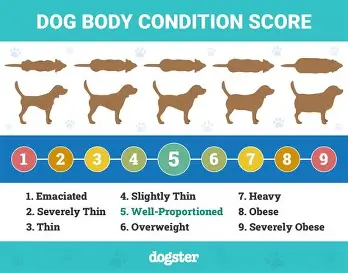
Figure 1. Dog Body Condition Score Chart. Reprinted from Dogster, by Dogster Editorial Team, 2024, (dogster.com). Copyright 2024 by Dogster.
Once you have identified your dog’s current shape on the chart above, it is time to take action. If your dog falls into the overweight category, it is always a good idea to consult your vet first to rule out any underlying medical conditions. Once you have the medical green light, let's take a look at their diet.
🥣 Pillar 1: How and What They Eat
The Ideal Choice: Fresh Food
Managing your dog's weight starts with what goes into their bowl. Ideally, switching to fresh, high-protein whole foods—like raw, gently cooked, or freeze-dried diets—is the best way to naturally boost your dog's metabolism. Many standard dog foods are highly processed and packed with heavy carbohydrates, which can actively stall weight loss.
The Kibble Alternative: Upgrading the Bowl
If switching entirely to fresh food isn’t feasible, premium kibble is a highly effective alternative. Look for less-processed formulas and dry, human-grade options. Brands like The Honest Kitchen Whole Food Clusters or Spot & Tango UnKibble are baked or air-dried at much lower temperatures. This gentler process preserves vital natural nutrients while eliminating heavy, starchy fillers.
If your vet recommends cutting back daily portions to reduce calories, your dog might feel extra hungry. Keep in mind that their daily exercise levels will also dictate how much you need to reduce their food. Fortunately, you can easily beat the hunger pangs and keep them feeling full by adding low-calorie, high-fiber toppers right on top of their remaining kibble.
The Healthy Topper List
When adding veggies to kibble, just lightly steam and puree them first! This breaks down the tough plant walls, making the vegetables much easier for your dog to digest and absorb. Excellent, low-calorie options to fill their belly include:
Green beans or broccoli: Classic, fibrous green options that add great bulk to the bowl.
Finely chopped zucchini: Gentle on the stomach and made mostly of hydrating water and fiber.
Plain canned pumpkin: Unsweetened pumpkin expands in the stomach to keep hunger away longer.
Crisp celery or cucumber slices
Single-ingredient treats to replace calorie-heavy store brands such as dehydrated or freeze dried treats.
While these are fantastic starting points, there are many other great options and healthy additions you can mix into the bowl to keep mealtime exciting and your pup satisfied.
Note: Always introduce these new foods gradually to prevent temporary gas or tummy upset, keeping all additions under 10% of their total daily diet.
Ditch the Free Feeding Frenzy
How your dog eats matters just as much as what they eat. Instead of leaving food out all day for constant grazing, switch to set mealtimes. Scheduled meals give your dog's digestive system time to rest and allow their body to burn stored fat for energy. If your pup eats too fast, try using puzzle feeders or licking mats to slow them down and give them a fun mental challenge.
🐕 Pillar 2: How Much Exercise They Are Getting
Movement is Medicine
Exercise is about much more than just burning off calories; it is vital for your dog's joints, blood circulation, and happiness. If your dog is carrying extra weight, a fast, rigid walk on hard concrete can be very painful on their joints.
The Power of a "Scent Walk" (Let Them Check Their Peemail)
Instead of a stressful sidewalk stroll, try a "decompression walk" on a long leash in a park or nature trail. Letting your dog take their time to sniff reduces their stress levels and naturally works different muscle groups. This natural approach closely mirrors Shinrin-yoku (Japanese forest bathing), a practice that actively lowers a dog's cortisol levels, blood pressure, and stress-induced heart rate after just 20 minutes of natural woodland exposure—working wonders for your dog and making it incredibly good for you too!
You can read more about the science behind it here: https://journals.sagepub.com/doi/10.1177/2164956119848654
Everybody Into the Pool! (Splash Away the Weight)
For dogs who are heavily overweight, low-impact activities like swimming or water treadmills are fantastic. Water supports their body weight, allowing them to build strong muscle without any painful pressure on sore joints.
Tailoring Their Daily Cardio
While low-impact movement is crucial for heavy dogs, it is important to remember that every dog requires regular cardio and walking to thrive. As a general rule, healthy adult dogs need anywhere from 30 minutes to two hours of physical activity every single day.
However, exercise requirements are never identical for every pet. Your dog’s precise daily workout depends on a few major elements:
Life Stage: Energetic young dogs can typically manage extended, high-intensity exercise sessions. Conversely, puppies possess growing skeletal systems that suit brief, recurring intervals of play, whereas senior canines benefit from slow, gentle movement to preserve joint flexibility without exhaustion.
Genetics and Breed Traits: Highly active working or herding types (such as Huskies or Border Collies) naturally demand significantly more vigorous cardio and mental challenges than flat-faced or toy companion breeds.
Physical Health Status: Pups beginning a weight-reduction routine cannot immediately pivot to heavy cardiovascular tasks. They require a gradual conditioning period to shield their joints and cardiovascular system from sudden stress.
🎯 Quick Guide: Choosing the Right Activities
Outdoor activities
Outdoor exercise is often ideal for dogs that love adventure and wide open spaces, and full-body movement, especially working and sporting breeds.
Hiking is perfect for athletic and curious pups who love to sniff and get a great workout!
Swimming is a low-impact, joint-friendly workout that’s great for large breeds and for dogs with arthritis or hip issues.
Dog sports like flyball, dock diving, or herding, are ideal for high-drive dogs
Agility training is a fantastic exercise for intelligent and athletic breeds. You can even set up an obstacle course in your backyard - get creative!
Fetch/Frisbee are both classic choices for the active crowd.
Walking is great for both you and your pup. Studies show that people who walk their dogs are 34% more likely to meet recommended physical activity levels.
Start Small and Build Up
Always start slow and listen to your dog's body. You can easily build up their stamina by doing short, five-minute activity sessions a few times a day, rather than one long, exhausting walk if this is a new routine for them.
Indoor Activities
Staying active inside is the perfect solution for apartment living, severe weather, or anxious dogs that thrive in quiet, isolated environments.
Brain-Boosting Toys: Utilizing interactive food dispensers and puzzle feeders challenges your dog to use their mind and body simultaneously to earn their meals.
Treadmill Exercise: On days when going outside isn’t an option, try teaching your pup to use the treadmill—think of it as a private gym membership for your dog!
Hide-and-Seek: Scatter favorite toys or hidden treats (take from their daily portion of food) throughout your living space for your pup to track down.
🐾 Conclusion
Helping your dog achieve a healthy weight is one of the greatest gifts you can give them. By shifting focus from restriction to nourishment, replacing extra calories with meaningful engagement, and respecting their physical limits, you are not just shedding pounds—you are adding vibrant, happy years to their life. That means many more beautiful sunrises and sunsets you get to share together!
Thank you to our guest blogger Tracey VL – Your Guide to Holistic Dog Wellness. Find more information at Pet Ventures Canada - Empowering Dog Owners
Disclaimer: The information provided in this blog post is for educational and informational purposes only and is based on the author's personal research and experience. I am not a veterinarian. This content is not intended to be a substitute for professional veterinary advice, diagnosis, or treatment. Always seek the advice of your veterinarian or other qualified pet health provider with any questions you may vary regarding a medical condition or the safety of a new exercise regime for your pet.
