Thank You
Thank you for your visit and for engaging with our services. Your support means the world to us! If you have any questions or would like to connect further, don't hesitate to reach out. We appreciate your time and look forward to sharing more valuable information with you in the future.
Blog
Blog
Toy Play: A Great Way to Engage and Motivate your Dog
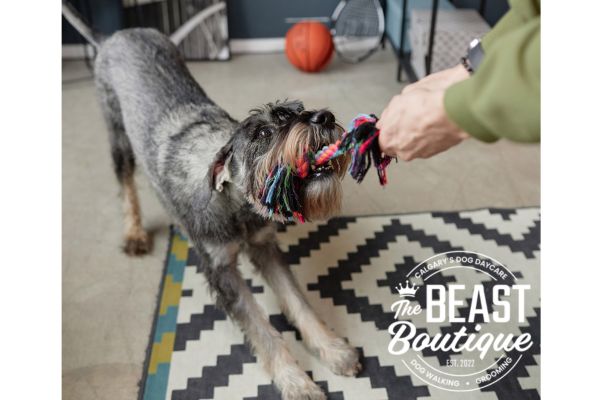
Toy play is a great way to engage and motivate your dog. For puppies that love to chew, providing appropriate toys can also help redirect them away from chomping on hands and clothing.
One of the most common mistakes people make during toy play is accidentally creating a game of “keep away.” The handler reaches for the toy — or the dog’s collar — and the dog runs off with it. From the dog’s perspective, this quickly becomes a fun and rewarding game, even if it’s frustrating for the human.
Keep away often starts because the handler is focused on taking the toy away. But for many dogs, especially retrievers, the toy itself is highly valuable. Playing with it is rewarding and having it removed can feel like punishment.
So how do you get the toy back without creating conflict?
The answer is toy switching. Instead of ending the fun by taking the toy away, toy switching turns tug and toy play into an interactive game you enjoy together. The focus shifts from possession to engagement. When the game itself becomes rewarding, everyone wins.
How to Teach Toy Switching
What You Need
Two toys of equal value
Step 1: Start the Game
Begin playing with toy #1 while keeping toy #2 hidden in your pocket. Move the toy away from your dog to encourage chasing and grabbing.
Step 2: Let Your Dog Win
After some play, allow your dog to take toy #1. Resist the urge to grab it back or approach your dog. Once they have it, think of that toy as “dead” — it’s no longer the exciting part of the game.
Step 3: Bring Toy #2 to Life
Pull out toy #2 and make it exciting. Wiggle it, squeak it, drag it away like prey, or make playful noises to capture your dog’s attention.
Most dogs will naturally drop the first toy to re-engage with you and grab the new one. You can add a cue like “Get it!” to invite your dog to take the toy.
Step 4: Present the Toy Properly
When your dog grabs the toy, make sure the part you want them to bite is at nose level. If the rope handle is closest to their face, they’ll likely grab the rope instead of the tug area. Adjust the toy height as needed.
Pro Tips for Better Toy Play
Play in a Low-Distraction Area
A hallway or small room with closed doors works well when teaching toy switching. Fewer distractions make you more engaging and easier to focus on.
Always Have Two Toys
If you only have one toy, you’re much more likely to create a game of keep away. Two toys help maintain interaction and keep the game flowing.
Match the Value of the Trade
Dogs are more likely to trade for an equal or higher-value reward. Don’t expect your dog to give up a favorite toy for something less exciting.
You can experiment with trading toys for food, but ideally toy play should stay focused on the fun of the game itself.
Don’t Push Toys Into Your Dog’s Face
If someone shoved something toward your mouth unexpectedly, you’d probably back away too. Instead, move the toy away from your dog to encourage chasing and engagement.
Use Movement to Trigger Chase Drive
Erratic movement — like a rabbit darting away — naturally taps into your dog’s instinct to chase. Moving the toy away is far more effective than waving it directly at them.
Use a Long Leash if Needed
If your dog tends to wander off, attach a lightweight long line (10 feet or longer) and let them drag it on the floor. The leash acts as insurance so you can safely regain control if needed.
Be careful not to accidentally step on the leash during play, as this can unintentionally correct or frustrate your dog.
Focus on Fun Before Obedience
When teaching toy switching, don’t worry about obedience cues like “drop it” right away. First, build enthusiasm and engagement. Too much pressure too early can reduce motivation and kill the fun.
Keep Sessions Short
Good toy play takes practice. Even experienced dogs don’t play endlessly. In the example video, Rickard has practiced for two years, and the session is still under three minutes long.
For puppies, even 2–10 seconds of tugging is a great start. End the game while your puppy still wants more, then play again another day.
Add “Drop It” Later
Once your dog consistently and happily switches toys — when you’d confidently bet money they’ll release the first toy — then you can begin adding a cue like “drop it.”
Get on Your Puppy’s Level
For young puppies, sit on the floor and move the toy side to side along the ground. Soft, fuzzy tugs or food-stuffed toys are often great beginner options.
Put Toys Away After Play
Tug should be an interactive game you play together. Don’t leave tug toys out for unsupervised chewing, especially with puppies. Swallowing pieces of toys can lead to dangerous intestinal blockages and expensive veterinary visits.
Selecting from a Reward Menu
Dog training is all about motivation and rewards. When you bring home a new puppy, it’s helpful to explore different toy styles and games to discover what your dog enjoys most.
Some dogs love fuzzy tug toys, while others prefer balls, squeaky toys, or food-filled options. Building a “reward menu” gives you more ways to motivate and engage your dog during training and play.
For more information: Hunters Heart Scent Detection Canines and Service Dog Training


THE BEAST BOUTIQUE LTD.
Monday to Friday: 6am-6pm
Saturday: grooming by appointment.
587-317-5404
6115 4 St. SE Unit 4
Calgary, AB T2H 2H9
[email protected]

FAQS
What does pet insurance cover?
Our pet insurance plans are designed to cover a wide range of situations to keep your furry friend healthy and happy. This includes accidents, illnesses, surgeries, diagnostic tests, hospitalization, prescription medications, and even preventive care like vaccinations and annual check-ups. We're here to provide comprehensive coverage for your pet's well-being.
Are there breed or age restrictions for coverage?
No, we believe that every pet deserves access to quality healthcare. That's why we have no breed or age restrictions on our coverage. Whether your pet is a playful puppy or a wise old companion, our insurance plans are open to all breeds and ages. We're here to protect pets of all kinds.
How do I file a claim, and what's the process like?
Filing a claim with us is straightforward and hassle-free. When your pet receives treatment, simply collect the necessary invoices and medical records. You can then submit your claim online through our user-friendly portal. Our dedicated claims team will review your submission promptly. We strive to process claims quickly so you can get reimbursed for eligible expenses. We're here to guide you through the process and make it as simple as possible, ensuring your pet gets the care they need.